
Linkam supporting Correlative Light and Electron Microscopy Workshop at Francis Crick Institute

Linkam will be supporting the first UK hands-on workshop on ‘Correlative Light and Electron Microscopy', being held at the Francis Crick Institute in London from September 21st to 25th.

The workshop is organised by Raffa Carzaniga, Lucy Collinson and Paul Verkade, and will take place in alternate years with the European EMBO CLEM course in Bristol (next course in July 2016), enabling us to train more of the UK community in a wide range of CLEM techniques. The workshop will include detailed hands-on tutorials for 8-10 participants organised into groups of 2 people per tutor to maximise contact time, covering high pressure freezing and freeze substitution; preservation of fluorescence in-resin for integrated microscopy; plunge freezing, cryofluorescence and cryoEM; Tokuyasu cryosectioning and immunolabelling for correlative experiments; and 3D CLEM using Serial Block Face SEM.

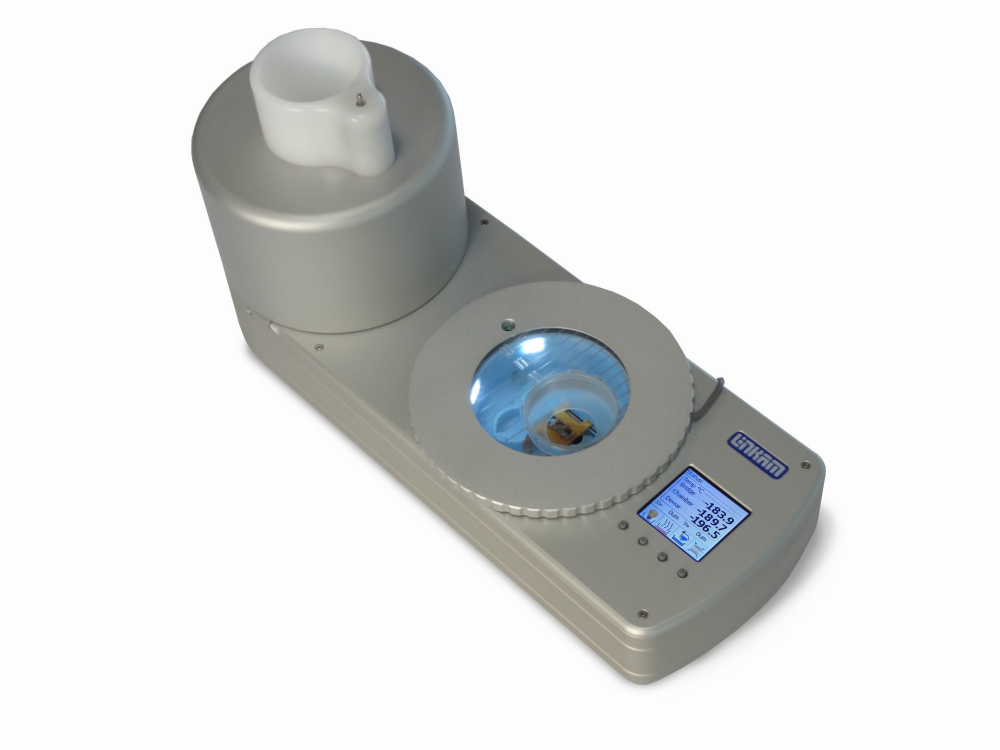
The Linkam CMS196 Cryo Correlative stage will be used during the workshop so students will be able to get practical experience of the system and see how it fits into the Cryo-CLEM workflow. 
New Dynamic Humidity Control -RH95, no need for costly dry air supply!

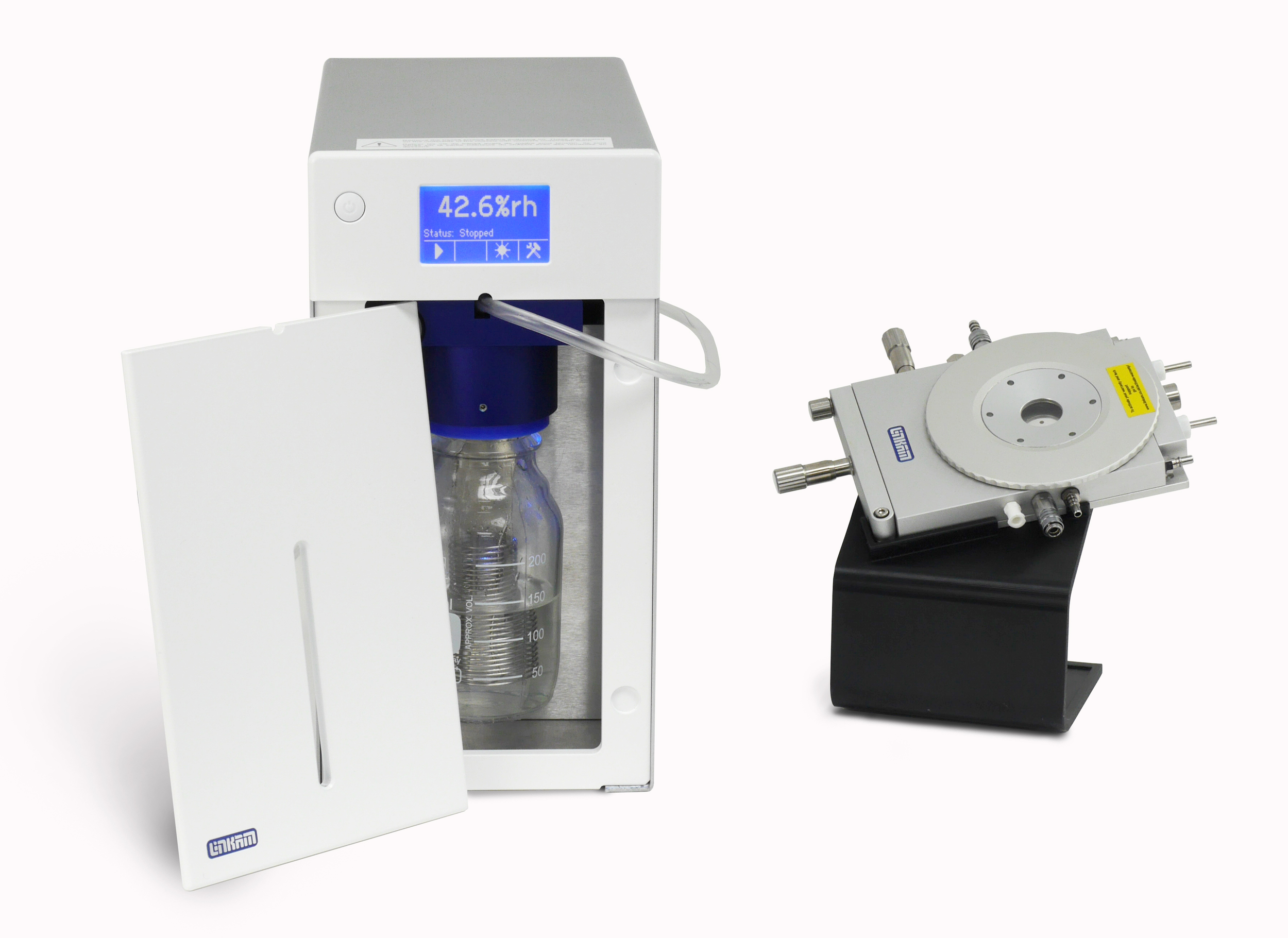
The new Linkam Humidity Controller is our latest instrument to add yet further sample control and is once again developed by in depth feedback of many Linkam stage users.

The RH95 quickly controls humidity inside a linkam stage or any other sealed chamber up to a volume of 2000cc from 5 to 90%.  

Unlike other humidity systems, no costly dry air supply is required. Ambient air is dried through a specially designed automatic recycling dessicant system and so can be left controlling humidity for months at a time.

Rather than simply monitoring the humidity of the air supplied to the chamber we also place a sensor inside the chamber to create a feedback loop to the controller.

Contact us for more info

VISTA - A visual approach to materials characterisation

Seeing is believing! VISTA offers a new approach to thermal analysis by combining standard thermal analysis techniques with image analysis. 

Linkam’s Imaging Station is at the heart of the VISTA system and when combined with their new DSC600 VISTA hot stage, enables images of the sample to be simultaneously captured during an experiment. An image processing software module from Cyversa analyses these images to produce thermal curves based upon the changes in sample features observed during the experiment.