
Humidity plays a role in the functioning and lifetime of many products, from foods to pharmaceuticals and from polymers to metals. It can significantly impact the properties of a material, such as its cosmetic surface, and mechanical and chemical properties.
HOW TO: use Linkam's Modular Force Stage (MFS) as part of a multi-tiered microscopy system
The McCrone Group's Hooke College of Applied Sciences recently hosted a webinar looking at multi-tiered microscopy analysis for wound care products, such as bandages.
TALES OF ENTROPY: Discover the visual beauty of how materials evolve with temperature
We’re always excited to see the amazing images our users capture showing how their samples evolve with changing temperature and environmental conditions. You may have seen some of them featured on our instagram – from freeze-dried embryos to high-temperature phase changes, researchers have captured amazing microscopy images to show how their samples physically changed.
Researchers in Brussels have taken this one step further – creating a choreographed audio-visual performance following the physical changes of organic materials as temperature changes (from crystal, to liquid crystal, to liquid). Check out the recording of the audiovisual performance, titled “Tales of Entropy”, here:
The experiments were carried out by Guillaume Schweicher, FNRS Postdoctoral Fellow at the Laboratory of Polymer Chemistry, Université Libre de Bruxelles, Belgium, and set to an ambient soundscape created by Brussels-based artist Juanita, under the artistic direction of Nicolas Klimis. Guillaume pursued a PhD studying the alignment of organic crystals within a thermal gradient and has since published over 35 peer reviewed articles. His current research interests aim at developing novel organic and hybrid semiconducting materials for greener and more sustainable electronics.
Guillaume commented “the use of organic and hybrid materials as semiconductors for electronics have great potential, not least in terms of their environmental impact – they are easily removeable/reusable by dissolving the adhering substance, which makes them better for recycling compared to the inorganic electronic industry.”

Nicolas Klimis (left) and Guillaume Schweicher (right), creators of “Tales of Entropy”
In the course of his work, Guillaume aims to develop temperature control experiments, including using the Linkam THMS600 and GS350, to analyse samples. He uses polarised microscopy to obtain images of single crystals – but has found that in the course of the analysis in searching for the correct crystals, he had observed many images that, while not suitable for scientific analysis, are beautiful from an artistic point of view. In particular, the cracks and contours on the crystal and liquid crystal surface are highlighted by this polarised microscopy technique and produce an array of colours.
Guillaume formed a collaboration with Nicolas, a colleague from engineering school, under the umbrella of Art-Science production company Ohme. Ohme works to unite science and art though collaboration between scientists and artists, with the aim of presenting science in new ways which are more accessible to a wider audience. Using Guillaume’s organic materials samples, “Tales of Entropy” is one of their first major productions.
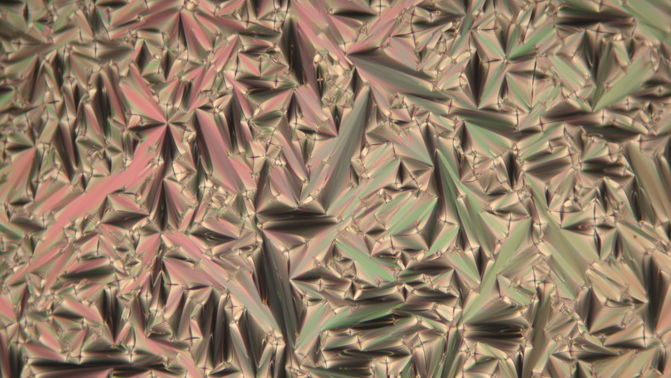
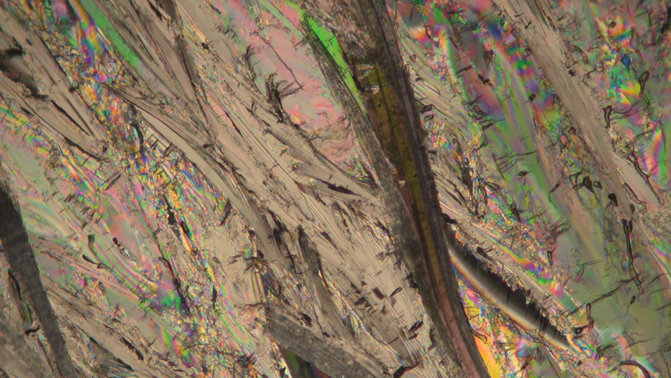
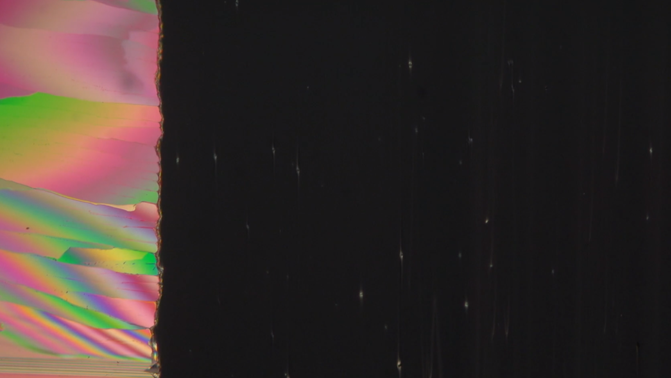
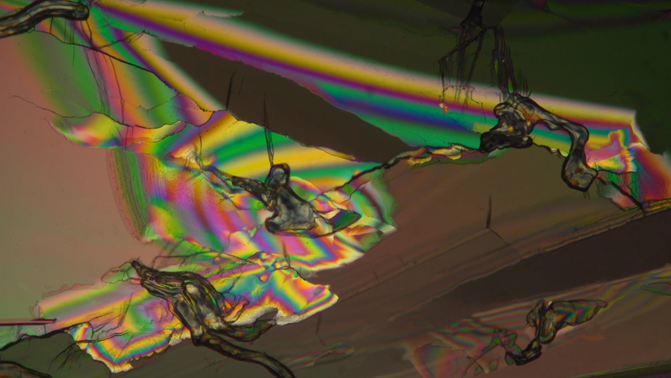
Moments from “Tales of Entropy”
“Tales of Entropy” is evolving as a series of multiformat live performances incorporating the evolving organic materials on the Linkam stage. The first edition of the series features live music from Juanita, and is now available to watch on-demand online.
The performance is an eye-opening look at thermodynamic phase changes and highlights the beauty of material evolution. The work shows how the physical state of an organic compound changes with temperature, and is visualised using polarised microscopy. Guillaume used a polarized optical microscope and video setup along with a Linkam temperature control chamber to carefully control the temperature conditions of the sample, capturing video as the thermodynamic conditions evolved. The video follows a 1mm2 region of the sample as it evolves and phase-changes from crystal to liquid-crystal, to liquid, before recrystallisation and re- orientation. The polarised microscopy emphasizes these orientational and state changes through stunning structural and colour changes.
Guillaume, Nicolas and co-workers have recently released a second iteration of the performance which builds on the first one, adding in more immersive visuals with a rear-projected live image of the evolving materials behind a string quartet, who play an adaptive piece influenced by the changes of state of the materials.
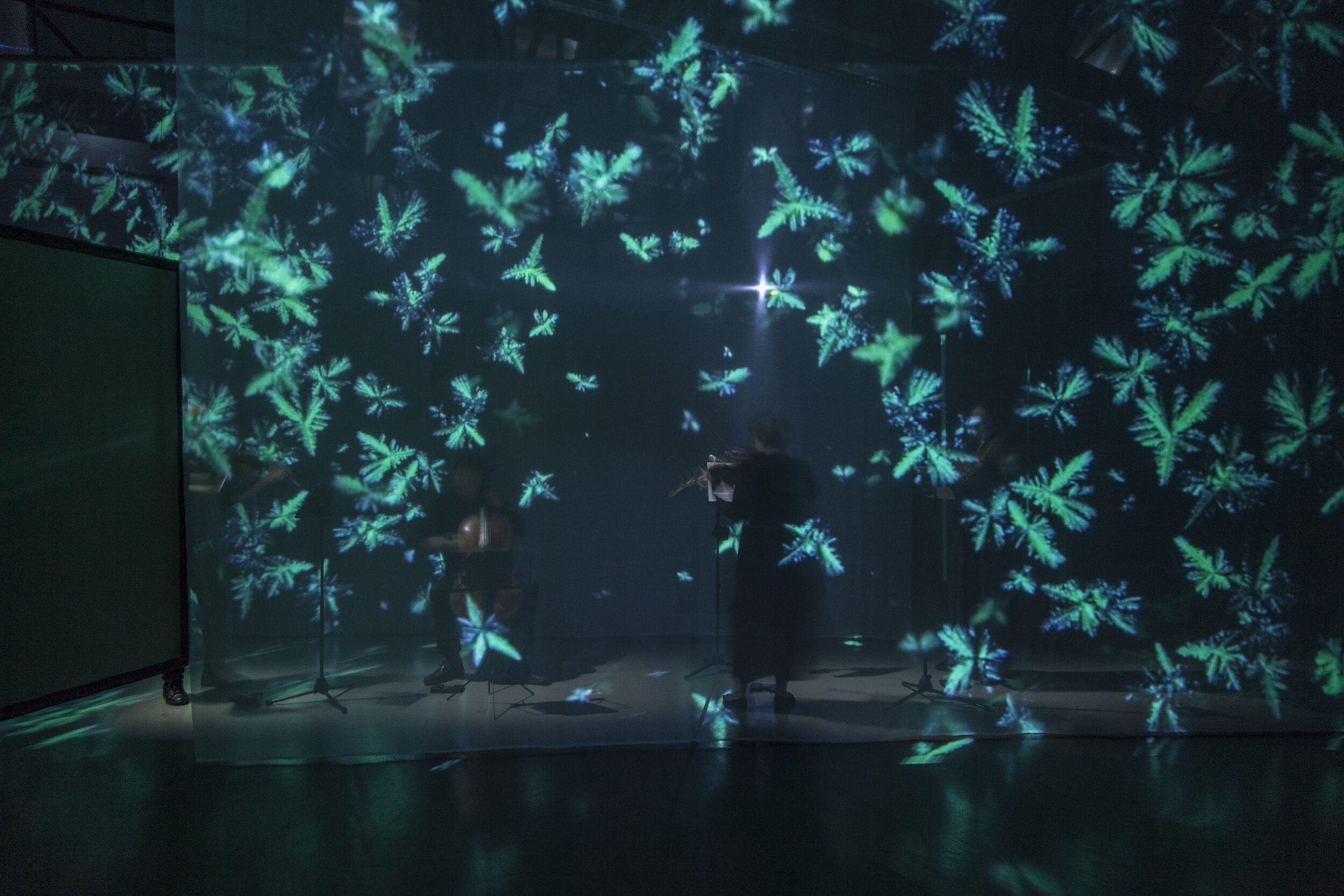
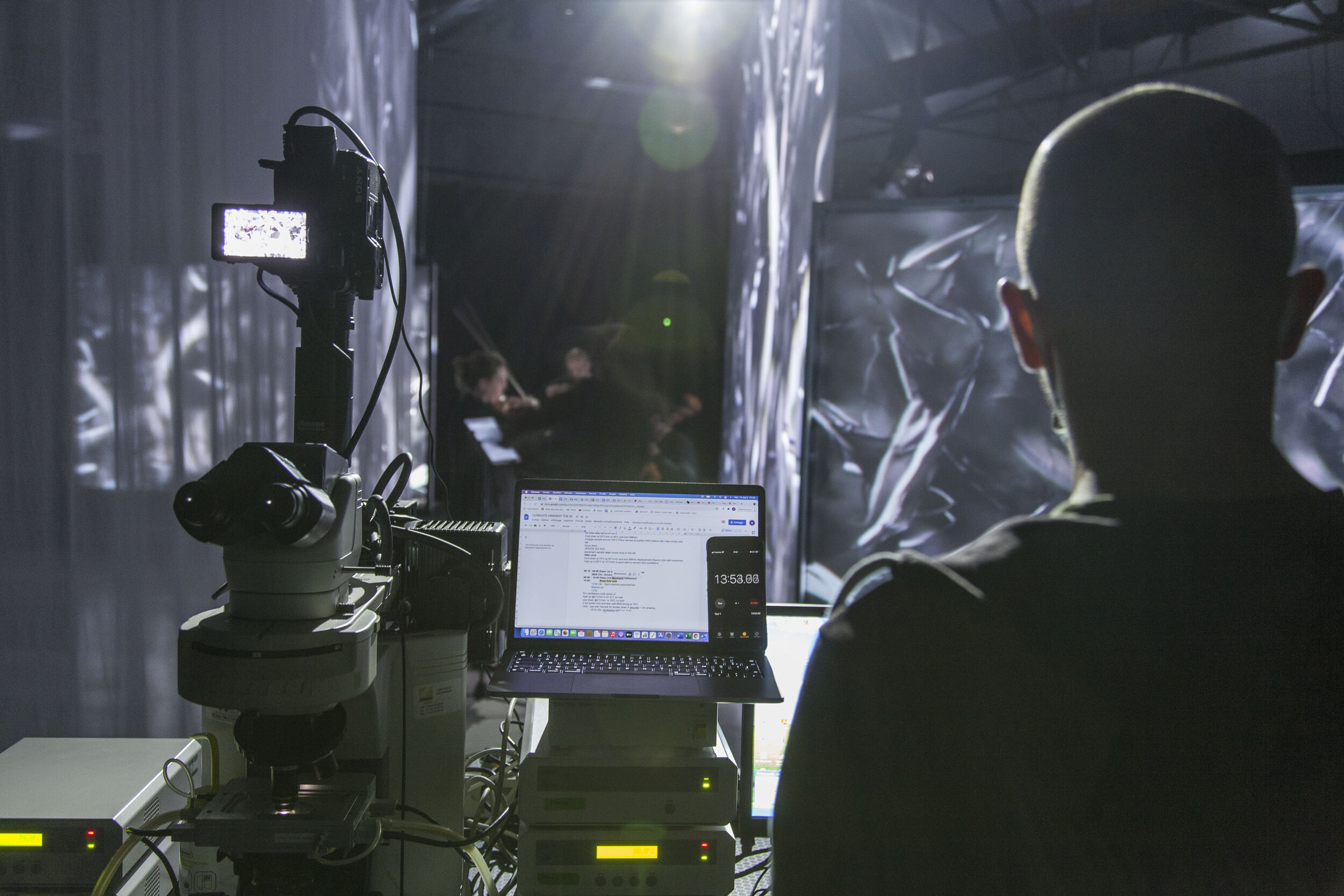
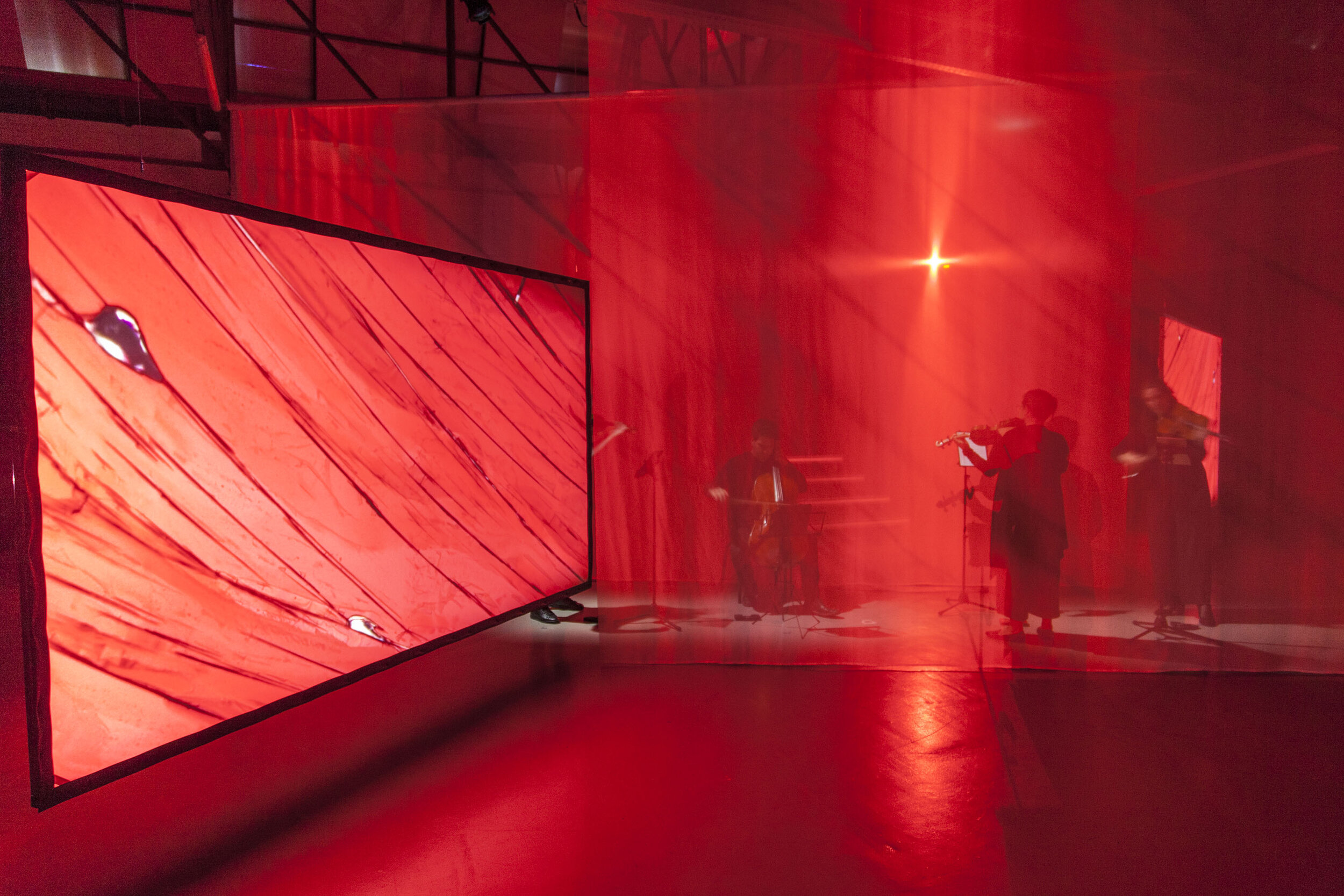
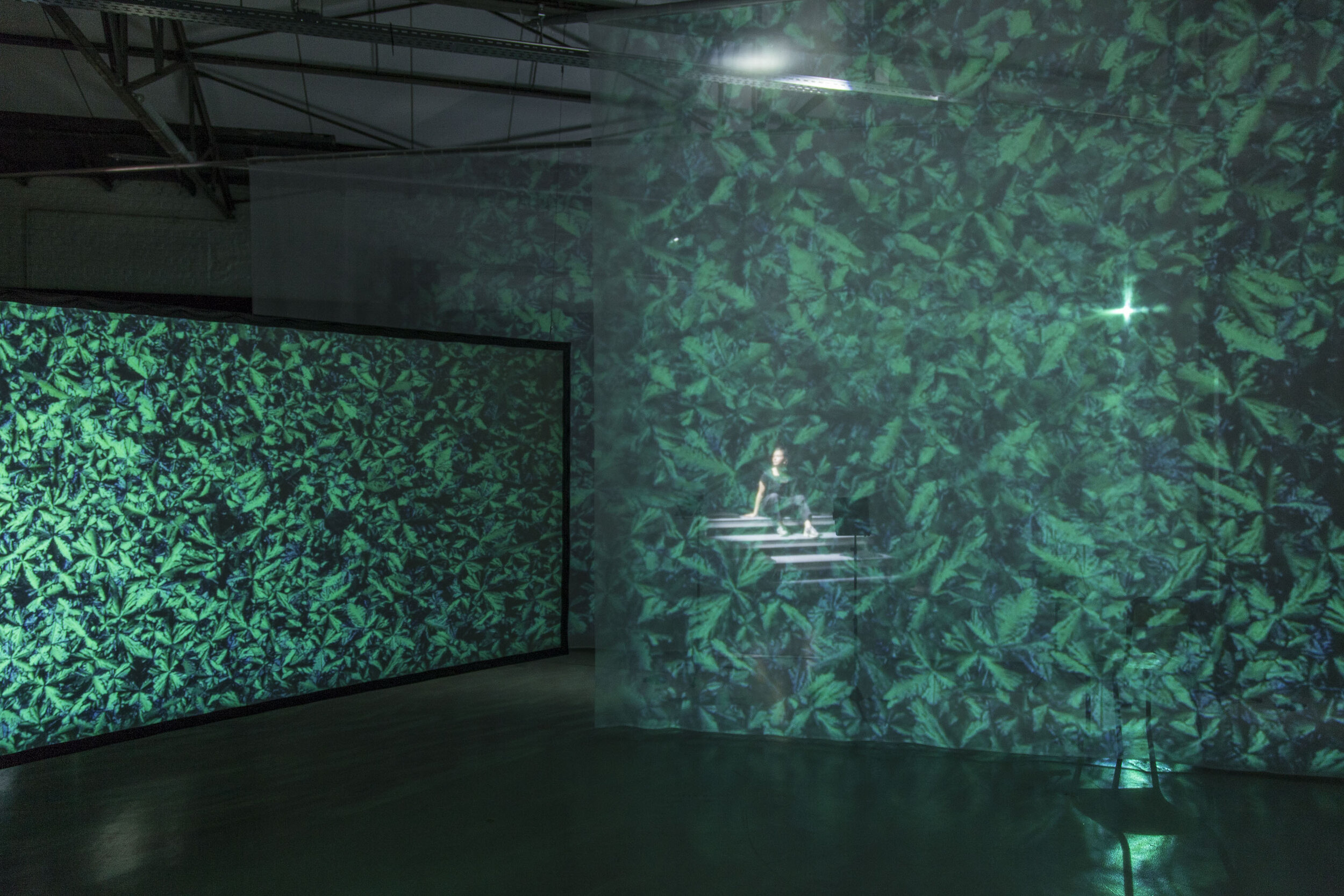
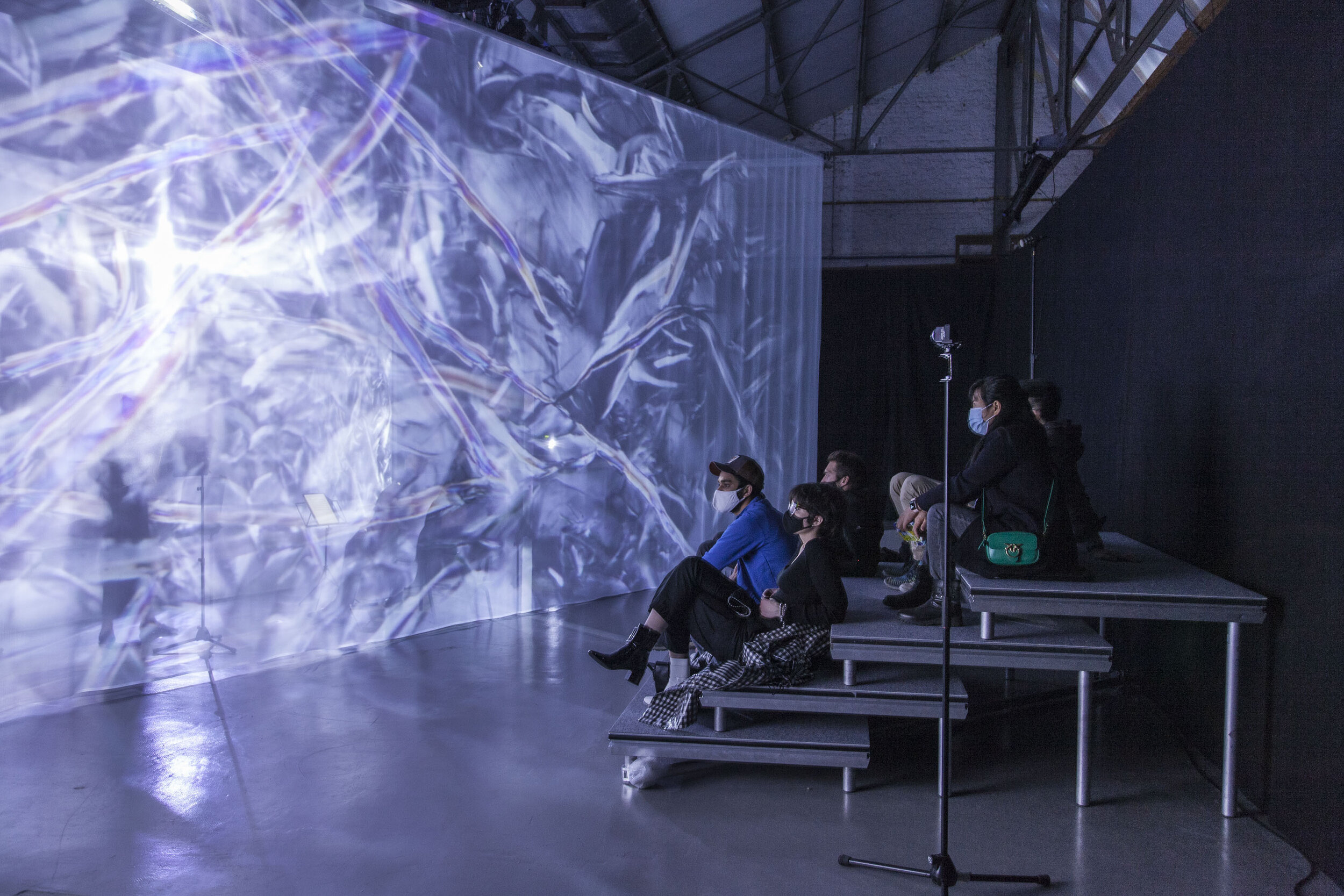
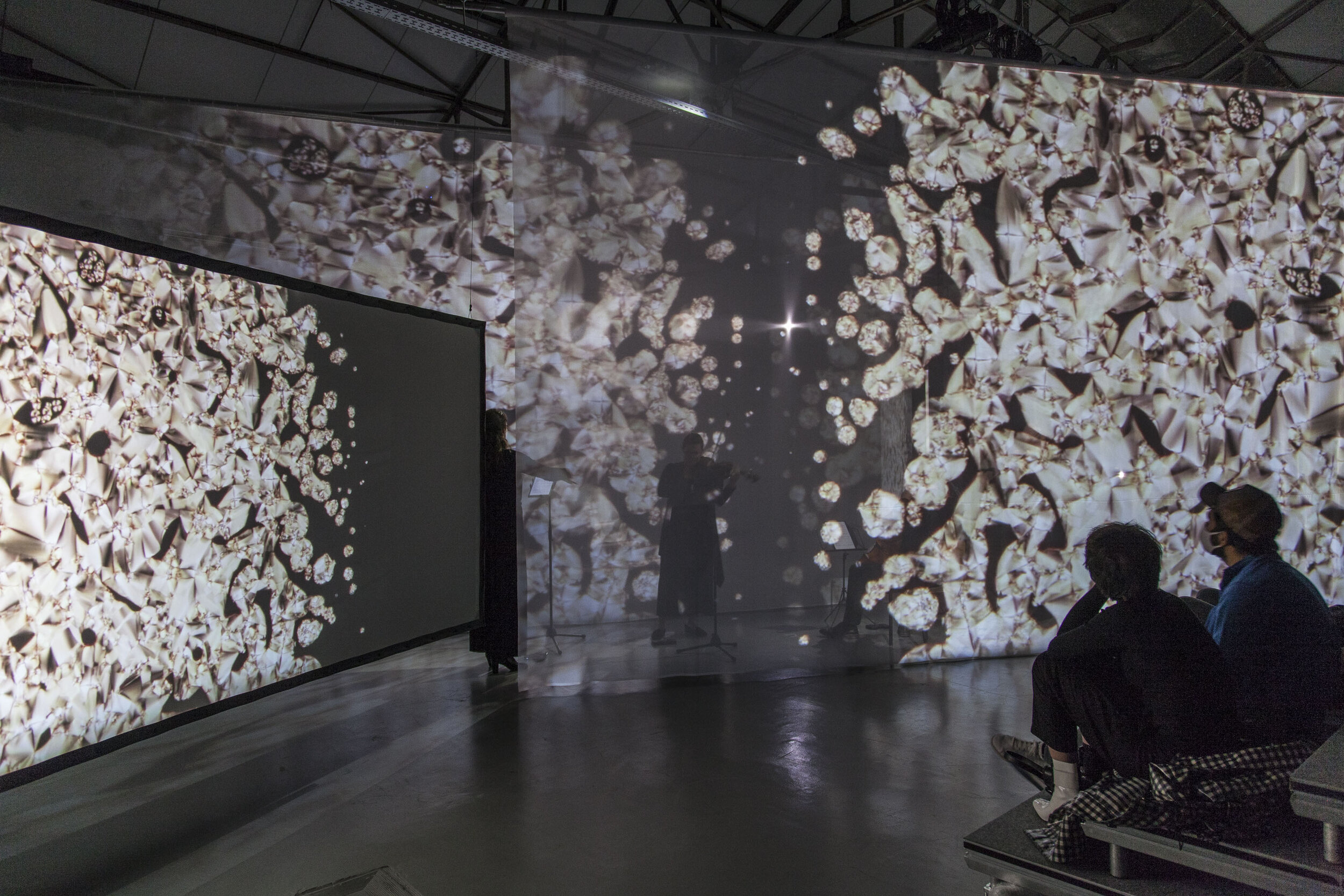
“Tales of Entropy with Boho Strings”, debuted at La Vallée in Brussels in May 2021
Guillaume and Nicolas hope this visual science will help raise interest in the work scientists are doing, as well as the role organic materials play in the search for more environmentally friendly technology: “My research career has focussed on using organic semiconducting materials for greener electronics. Through Ohme, and collaborations with artists such as Juanita, Evelina Domnitch and Dmitry Gelfand and Boho Strings, in addition to collaborations with scientific instrument manufacturers such as Linkam, we hope to highlight use of these materials and techniques, and the value they bring to technology progress. We intend to show the pure materials, visually, without associating this with any of the implications these chemicals may have on the general public. Showing the simple visual beauty of the physical chemistry in an artistic sense leaves room for thought and technical discussion beyond the realms of the performance. I hope we can help to highlight the bright future vision of greener chemistry and electronics.”
Ohme shared the debut performance of the second iteration of Tales of Entropy at La Vallée in Brussels in May 2021. The production, as part of a Das Haus residency, brings a new dimension to the performance, bringing intimate scenography designed by Studio Marie Douel, in collaboration with media artist Yannick Jacquet and Flemish string quarter ensemble Boho Strings.
To find out more about Linkam’s temperature control stages, contact Linkam here.
To find out more about Guillaume’s research, and Ohme’s projects as well as to enquire about booking “Tales of Entropy”, contact Ohme via http://www.ohme.be/contact-us.
Related Content


Characterising the Temperature-Induced Topographical Evolution of Nanoscale Materials: Thermal Surface Profilometry
Optical profilometry is a rapid, non-destructive, and non-contact surface metrology technique, which is used to establish the surface morphology, step heights and surface roughness of materials. It has a wide range of applications across many fields of research, including analysing the surface texture of paints and coatings, analysing micro-cracks and scratches and creating wear profiles for structured materials including micro-electronics, and characterisation of textured or embossed nanometre-scale semiconducting components, such as silicon wafers.
Historically, it has been difficult to conduct temperature-controlled optical profilometry experiments due to imaging issues caused by changes in spherical aberration with temperature of both the front lens of the objective and the quartz window of the LTS420 stage.
To provide a solution for temperature-controlled optical profilometry Linkam has partnered with Sensofar, who specialise in the field of non-contact surface metrology, to develop a new technique for characterising the evolution of a sample’s surface topography with temperature using the S neox 3D optical profiler and Linnik interferometer coupled with Linkam’s LTS420 temperature-controlled chamber. The technique has been used to successfully map the changes in roughness and waviness of silicon wafers at temperatures up to 380°C.

Linkam LTS420 and Sensofar Linnik configuration
By using Sensofar’s new Linnik interferometer lens system with the S neox 3D optical profiler, in combination with Linkam’s LTS420 precision temperature control chamber, spherical aberration issues are resolved, enabling the accurate measurement of 3D topographic profiles of nanoscale materials at a wide range of temperatures.
For the design and construction of the Linnik objective, two Nikon 10x EPI objectives (Nikon, MUE12100) with 17.5mm working distance were used. The same configuration is available with 10xSLWD objectives (Nikon, MUE31100), providing a 37mm working distance.
This makes the thermal emissions from the camera almost imperceptible to the lens and will not affect or damage the measurement quality. The Linnik objective was mounted on the 3D optical profilometer (Sensofar, S neox), which combines 4 optical technologies in the same sensor head: Confocal, CSI, PSI and focus variation. These techniques are covered in ISO25178.


The example below shows how the 1D profilometric data can be plotted in the form of a topographic image. By stacking the 3D images as a function of temperature, it is possible to create a “4D plot”, as shown in the stacked image below.
This shows the evolution of the topographical changes at different temperatures using a colour scale to indicate height in the vertical direction. In the silicon wafers tested, it is clear that the samples bend as temperature changes. As temperature increases above room temperature towards 380°C, greater bending is experienced by the samples.

Bow evolution in (a) sample A and (b) sample B as a function of temperature. Waviness parameters Wz were extracted from the horizontal, diagonal and vertical profiles in Figure 5. Roughness parameter Sz was computed from the surface after applying an S-filter of 0.8 mm.

Stacked 4D view of the topographies extracted from (a) sample A and (b) sample B for visual comparison of the experimented bow change when samples increase from 30ºC to 380ºC.
The feasibility of the proposed configuration has been proven to carry out successful roughness and waviness measurements at different temperatures. Two different behaviours of the surface topography were observed depending on the chip design. Sample A showed an early bending behaviour when heating up the sample, whereas sample B showed the bending in a later stage.
David Páez, Sensofar Sales Support Specialist, commented: “In a recent experiment using the new technique, we were able to observe the changes in topography of silicon wafers as they evolve with temperature from 20°C up to 380°C. This is critical information for silicon wafer producers and users, so that they can optimise their process, improve semiconductor properties and wafer durability. The Linkam LTS420 chamber and T96 temperature controller are key components in our experimental set-up and enable us to ramp and control the temperature between <-195° and 420°C to a precision of 0.01°C.”
Linkam systems have provided precise temperature and environmental control to a wide range of techniques, from microscopy to X-ray analysis, for decades. This collaboration with Sensofar highlights the important role of temperature control in contributing to innovative approaches to material characterisation.
We are delighted to be able to offer a solution for temperature-controlled profilometry using Sensofar’s Linnik interferometer, and we look forward to seeing how this new technique helps scientists across many fields to advance their research.

Using the Sensofar Linnik system with the LTS420
Related Content


